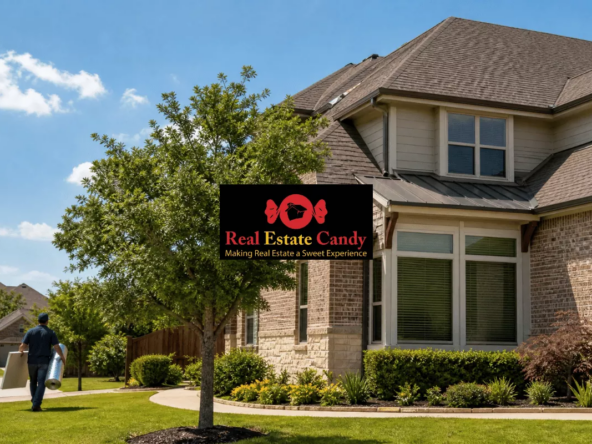
A welcoming North Texas exterior doesn’t require a full landscape redesign. It requires a few visible improvements that make the front of the house feel cared for, intentional, and ready for whatever a Texas weekend brings. Think of curb appeal as the story your home tells from the sidewalk: a clean entry, a confident front door, planting beds with color and structure, and details that look chosen rather than left behind.
The best part is that you don’t have to replace the driveway, install elaborate hardscape, or hire a crew to see a meaningful change. A smart weekend plan can focus on four high-impact areas: refreshing the front door, upgrading the address numbers, choosing resilient Texas-friendly plants, and defining beds with simple edging. Together, these updates make even a familiar brick-and-lawn façade feel more polished without losing the relaxed character that suits North Texas neighborhoods.
Start With the View From the Sidewalk
Before buying a single plant or paint sample, stand at the curb and look at the house as a guest would. What pulls your eye first? Is the front door easy to find? Is there a clear path to it? Do the planting beds look crisp, or do they dissolve into the lawn? This quick perspective prevents an all-too-common budget mistake: spending money on small decorative items while the biggest visual opportunities remain untouched.
A useful rule is to improve contrast, order, and color. Contrast helps the front door and house numbers stand out from the brick or siding. Order comes from a swept walk, pruned shrubs, a clean porch, and a visible boundary around planting beds. Color is where you can bring in a little Texas personality, whether that means a deep-blue door, a few vivid flowers, or both. These are visual improvements, not construction projects, which is why they deliver so much impact for comparatively little effort.
Here are the highest-priority areas to focus on:
- Front door and entry: This is the visual destination of the façade. Use a quality exterior paint rather than replacing a sound door.
- House numbers: They add instant order and a more current finish. Install simple, high-contrast numbers in a coordinated finish.
- Front planting bed: It softens brick and draws the eye along the walk. Add a small, repeatable group of hardy plants instead of filling every open space.
- Landscape edge: It separates lawn, mulch, and plants with a clean line. Use straightforward metal or composite edging in one consistent profile.
- Cleanup and staging: It makes every paid update look more intentional. Sweep, weed, prune, rinse, and remove visual clutter before adding décor.
The Front Door: Your Best Paint-Per-Dollar Upgrade
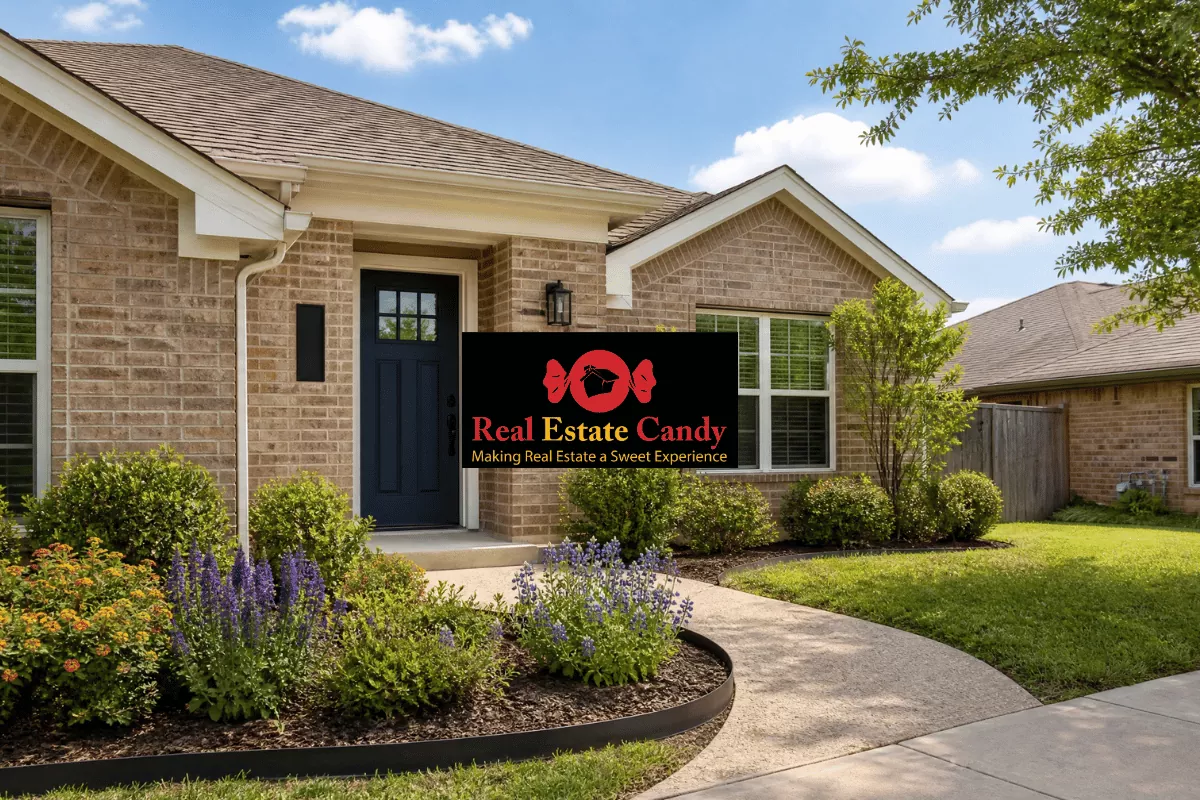
A painted front door is the curb-appeal equivalent of a great first handshake. It’s close to the street, easy to notice, and one of the few places where a bold color can look purposeful rather than overwhelming. Against the warm reds, tans, and browns of many North Texas brick homes, deep navy, blue-green, charcoal, black, or a softened earthy red can provide a strong focal point. If your home has cool gray stone, a muted green or warm wood-toned paint can create the same inviting contrast.
The key is preparation, not expensive materials. Wash the door, remove loose paint, lightly sand rough areas, protect hardware and glass, and use an exterior paint suited to the door’s surface. Don’t forget the trim and threshold. A fresh door surrounded by dingy trim won’t have the same impact, while a tidy frame makes even a modest paint color look elevated. If the hardware is tired but functional, consider cleaning it first; replacing only the clearly dated or damaged pieces is often enough.
This is also the time to simplify the porch. A worn doormat, a damaged plastic planter, or a cluster of unrelated seasonal decorations can distract from your new focal point. One clean doormat and a matched pair of simple planters will usually look more refined than a crowded collection of accessories. The goal isn’t to make the entry feel staged; it’s to make it feel reliably welcoming.
Give Your Address a Modern Moment
House numbers are a small detail with oversized visual value. They help the entry read as complete and can make a traditional brick façade feel noticeably more current. Choose a finish that repeats elsewhere around the front of the home. Matte black works especially well with black door hardware, dark exterior lighting, and a navy or green door. Brushed nickel can suit lighter, cooler schemes, while aged bronze can complement warm brick and earthier door colors.
Keep placement simple and visible. Numbers should be aligned, easy to read from the street, and placed where they don’t compete with a busy background. A vertical stack beside the door, a horizontal line above a light fixture, or a clean arrangement on a contrasting plaque can all work. What matters most is consistency: one number style, one finish, and enough contrast to prevent the address from disappearing into the masonry.
Budget-minded design principle: Repeat one or two finishes—such as matte black on the door hardware, house numbers, and landscape edge—instead of buying several unrelated “upgrades.” Repetition makes a modest budget feel intentional.
Plant Like a Texan: Layer Color, Keep the Work Reasonable
North Texas curb appeal has to look good without asking you to spend every summer evening nursing a thirsty flower bed. The strongest approach is to build a small planting palette around plants that offer seasonal interest, tolerate sunshine, and suit the region’s changing conditions. Texas A&M AgriLife Extension notes that its Texas Superstar® plants are recognized for performance in tough Texas growing conditions, and its broader landscaping guidance highlights resources for native landscaping, xeriscapes, and water-use reduction.
For a colorful front bed, start with the visual rhythm you want rather than buying one of everything. The contrast of blue and warm orange-yellow works particularly well beside brick homes because it keeps the planting bed lively without feeling fussy.
When planning your front beds, consider these practical roles:
- Bluebonnets: A memorable spring pop of blue. Treat them as a seasonal highlight rather than a year-round foundation, grouping them in a loose drift instead of scattering individual plants.
- Mealy blue sage (Salvia farinacea): Vertical blue-purple blooms and texture. The Native Plant Society of Texas lists it for sun, low water, and well-drained soils; its profile notes bloom interest across spring, summer, and fall. Repeat three or five plants for a fuller, more cohesive look.
- Texas lantana or locally suitable lantana: Warm color near the front of the bed. Ask the nursery for the right species or cultivar for your site. Use it as a low, color-rich counterpoint to taller salvia.
- Existing evergreen shrubs: Structure when flowers aren’t blooming. Keep healthy shrubs, but prune only enough to restore shape and sightlines, letting them frame the door or windows instead of hiding them.
- Mulch: A finished backdrop that unifies the bed. Use a thin, consistent layer after weeding and before edging, choosing one natural mulch color across all visible front beds.
Native and drought-tolerant plants aren’t a shortcut to zero maintenance, but they can make maintenance more sensible once established. The Native Plant Society of Texas’ Collin County guidance describes drought-tolerant native perennials as a fit for North Texas landscapes, with minimal supplemental water once established and reduced needs for fertilizer and pesticides relative to plants poorly matched to local conditions. The same guidance emphasizes drainage, deep but infrequent watering, and a thin mulch layer rather than heavy, moisture-trapping mulch.
Mealy blue sage is a particularly useful example of a plant that delivers color without requiring a complicated design. The Native Plant Society of Texas lists it as a perennial that grows in sun, has a low water requirement, and thrives in well-drained soil; it also notes that a midsummer cutback can encourage more compact growth. That doesn’t mean every front yard should be planted entirely in salvia. It means you can use a dependable plant as the backbone of a small budget bed, then add seasonal color around it.
For a more native-focused project, don’t assume every plant sold under a familiar common name is automatically native to your area. Ask a local nursery, county extension office, or native-plant organization to help verify the selection. That little question protects your budget by reducing the chance of bringing home a plant that looks good in a display but doesn’t match your sun exposure, drainage, or design goal.
Clean Lines Make Small Beds Look Finished
Landscape edging is one of the most practical ways to make a modest planting bed look planned rather than improvised. A clean curve around a walkway or a straight line along the front foundation gives mulch a contained, tidy edge and creates a visible transition between lawn and garden. You don’t need stacked stone walls or elaborate borders to get this effect. A simple dark metal edge, flexible composite edge, or carefully defined spade-cut edge can create the visual separation you need.
For a North Texas brick home, a narrow dark edge often works well because it echoes black house numbers, dark hardware, or an exterior light fixture without drawing attention away from the plantings. Keep the shape uncomplicated. One broad curve that follows the walk will usually look better than several tiny scallops. If the bed already feels crowded, don’t make it bigger just to add more plants; improve the outline, weed it thoroughly, refresh the mulch, and let the existing structure breathe.
A Realistic Two-Day Curb-Appeal Plan
You don’t have to complete every idea in one weekend. However, sequencing the work keeps the project manageable and avoids planting into a bed that still needs cleanup. Start with the tasks that create the most visible change first, then finish with the soft details.
Follow this practical sequence to keep the project on track:
- Saturday morning (Reset the view): Sweep the walk and porch, remove dead foliage, pull weeds, clear clutter, and assess the door and bed from the curb.
- Saturday afternoon (Refresh the entry): Prep and paint the front door, clean exterior light fixtures, and confirm the house-number placement.
- Sunday morning (Define the bed): Install or sharpen the landscape edge, remove remaining weeds, and distribute a thin, even mulch layer.
- Sunday afternoon (Add color): Plant grouped bluebonnets in season, salvia for blue-purple structure, and lantana for warm color; water plants after installation according to the nursery guidance.
- Final 30 minutes (Edit, don’t add): Stand back from the curb again, remove anything visually busy, and make sure the path to the door is clear.
A reasonable budget varies with the size of the front bed and the condition of the entry, but this plan lets you choose a stopping point. If you only have enough for paint and cleanup, do those well. If you can add numbers and a few plants, the improvement becomes more layered. The most important thing is to avoid spreading the budget too thinly across dozens of small purchases. One well-painted door, one clear address treatment, and one neatly edged bed will look stronger than many unrelated decorative items.
The Finishing Details That Cost Little—or Nothing
Some of the best curb-appeal improvements are maintenance tasks that help the paid updates carry more visual weight. Rinse pollen and dust from the porch, clean the glass in the front door, tighten loose screws on the mailbox, straighten a leaning planter, and make sure shrubs don’t swallow the windows or entry. Replace a burned-out porch bulb with a warm, inviting bulb that makes the front door visible in the evening. These jobs don’t add much to the shopping cart, but they make the whole front elevation feel attended to.
Avoid turning the entry into a showroom. North Texas homes usually look best when the design feels relaxed, practical, and rooted in the neighborhood. Choose a few materials and colors that relate to the house, leave breathing room around the plants, and give the front door the starring role. The result will feel distinctly Texan: welcoming, colorful, resilient, and far more polished than its budget suggests.
The Takeaway
Curb appeal isn’t about making your home look expensive. It’s about making it look cared for. A front door with confident color, house numbers that are easy to see, a handful of Texas-friendly plants, and a crisp edge around the beds can transform the street view in a single weekend. Start with the most visible elements, repeat finishes for a coordinated look, and let the plants work with the North Texas environment instead of demanding constant attention. That’s curb appeal on a budget—Texas style.
If you have questions about how to maximize your curb appeal, or if you are thinking about making a move in the DFW area, I would love to help. Reach out to me directly for a no-obligation consultation.
Because at the end of the day, we make real estate a sweet experience.
Contact Greg Douglas today!
Carrollton & DFW Real Estate Specialist
Committed to helping you love where you live